Verified fan guide
Paint and Seek Best Hiding Spots
The best Paint and Seek hiding spots are not just secret corners; they are places where your paint color, outline, and seeker sightlines all work together.
What Makes a Hiding Spot Strong
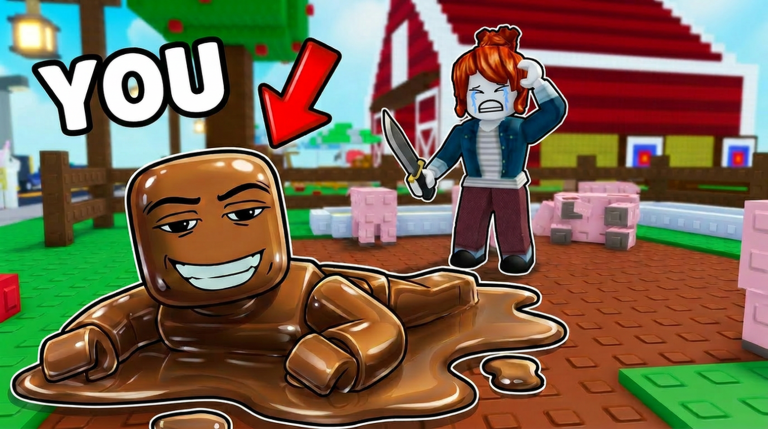
A strong Paint and Seek hiding spot has three traits: nearby color coverage, low seeker traffic, and a body outline that does not stand out from the background. A corner can be weak if your paint color is wrong, while an ordinary wall can be strong if the color match is close and seekers usually pass it from a poor angle.
Use Paint Before You Commit
Do not treat paint as a final flourish after you hide. Decide where your paint will work before you settle into the spot. If you paint yourself green, a bright floor or neutral wall may make you obvious. If you paint for a wall panel, line up with the panel instead of standing halfway across a color boundary.
Avoid Spots That Only Fool One Angle
A hiding place can look perfect from your camera and terrible from the seeker route. Before settling, imagine the most likely approach path: doorway, hallway, open floor, or spawn route. If your character outline sticks out from that direction, either rotate into a flatter profile or move to a spot that hides your shape from multiple angles.
Late-Round Hiding Decisions
Late in the round, many hiders panic and move from a decent spot into open space. If the seeker is nearby, stillness can be better than a desperate escape. If you must move, move during seeker camera turns or when another suspicious area is being checked. Paint and Seek rewards patience because motion is often easier to see than imperfect color.
Map-Specific Hiding Habits
On House-style rooms, use furniture edges and doorway angles to break your outline. In Grocery Store coverage, long aisles make movement easy to see, so settle behind shelf geometry before the seeker enters the lane. Bank coverage suggests cleaner walls and lobby sightlines, which makes silhouette control more important than perfect color alone. Arcade coverage is busier, but popular machine clusters are checked early. Newer public guides also mention Backrooms and Island; treat those names as leads to verify in game, not as an official complete map list.
Related Guide Pages
A beginner-friendly explanation of the Paint and Seek loop: paint yourself to blend in, hide with the environment, or search the map as a seeker.
Paint and Seek Tips and TricksShort, practical Paint and Seek tips for players who want better rounds without memorizing a huge wiki.
Paint and Seek Seeker GuideA role-specific guide for seekers who want to clear areas faster and spot hiders using paint camouflage.
Paint and Seek MapsA practical map hub for Paint and Seek players who want route thinking, hiding-angle checks, and seeker scan patterns without relying on fake map screenshots.
How to Paint Yourself in Paint and SeekThe paint tool is the mechanic that separates Paint and Seek from ordinary Roblox hide-and-seek games: paint yourself to match the surface behind you, then let angle, outline, and stillness support the disguise.
FAQ
What is the best Paint and Seek hiding spot?
The best spot depends on the map and paint color. Look for matching surfaces, weak sightlines, and a silhouette that blends into nearby shapes.
Should I hide in corners?
Corners can work, but obvious corners are checked often. A less obvious color-matched surface can be stronger.
Is movement bad while hiding?
Usually yes. Small movement can reveal you faster than a slightly imperfect paint match.
How do I know if a hiding spot is too obvious?
If it is close to spawn, near a direct path, or looks like the first place a player would run, seekers probably check it early.
What page should seekers read instead?
Seekers should use the seeker guide for scan routes, suspicious outline checks, and role-specific habits.